Six Months in Industry, a Lifetime of Difference: The Quiet Revival of the Chemistry Co-op
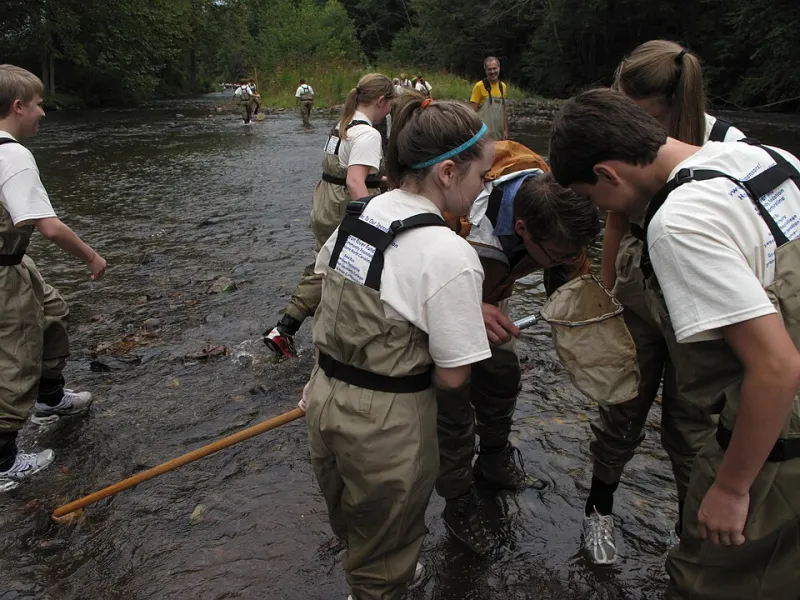
Photo: U.S. Fish and Wildlife Service Southeast Region, Public domain, via Wikimedia Commons
The numbers have been grim for years. Fewer than one in five US chemistry PhDs lands a tenure-track position, while industrial employers complain — loudly and consistently — that graduates arrive unprepared for the realities of regulated, deadline-driven laboratory work. Two problems, one obvious shared solution, and yet the mechanism connecting them has spent decades underfunded and underdiscussed: the cooperative education model.
That may be changing.
What Makes a Co-op Different
Unlike a traditional summer internship, a co-op embeds a student in a company for an extended rotation — typically six to twelve months, sometimes alternating semesters of work and study. The length matters. Long enough to complete a real project, earn genuine responsibility, and let both sides evaluate the fit without the theater of a recruiting cycle.
Northeastern University, whose co-op program is among the oldest in the country, places chemistry students into extended rotations across the Boston-area biotech and pharmaceutical corridor. The University of Cincinnati and Drexel University run similarly deep pipelines into chemical and materials firms. In each case, the pattern repeats: a majority of co-op participants receive return offers, and hiring companies consistently report that former co-op students onboard faster and stay longer than external hires.
Why the Model Solves Both Sides of the Problem
For students, the value is threefold. Real industrial experience — GMP environments, regulatory documentation, cross-functional teams — is nearly impossible to acquire in an academic lab. A co-op provides it without pausing a degree. It also converts the job search from a cold application process into a warm, evidence-based decision on both sides. And increasingly, it offers a low-stakes test of whether industry suits them at all before they commit to — or abandon — an academic track.
For employers, the economics are compelling. A co-op pipeline functions as a multi-year interview, dramatically reducing mis-hires. It builds relationships with specific departments rather than scattering effort across campus career fairs. And at a time when experienced analytical and process chemists command steep salaries, growing talent internally is simply cheaper.
The Overlooked Audience: Mid-Career Chemists
Here is what most coverage misses. The exchange model runs in both directions. Industrial sabbaticals and faculty-in-residence programs — in which academics spend a summer or year embedded in an industrial R&D group — are expanding at several US chemical companies and national laboratories. For professors, these stints reshape teaching around real industrial practice and seed research collaborations. For mid-career chemists in industry, short academic residencies can open doors to adjunction, consulting, and eventual transitions.
How to Get In the Door
- Students: Start with your institution's co-op or career services office — many students at co-op schools never enroll in the program simply because they do not know it exists. If your school lacks one, target employers with formal co-op postings on their own career pages.
- Faculty: Ask your department about existing industry partnership agreements before building your own; ACS regional meetings are a practical venue for establishing contacts.
- Industry professionals: If your employer lacks a program, propose one with a single partner department first. Small pilots are how every successful pipeline began.
The co-op never went away — it just stopped being fashionable. As chemistry's career pipeline comes under scrutiny, the unfashionable answer may turn out to be the durable one.